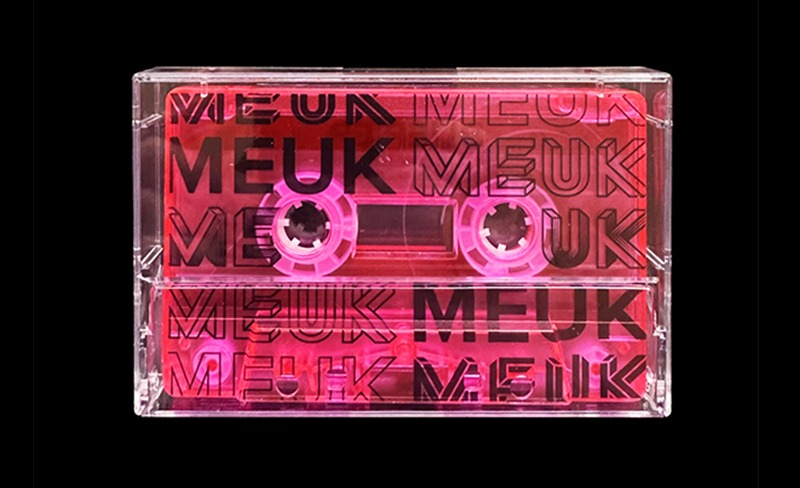
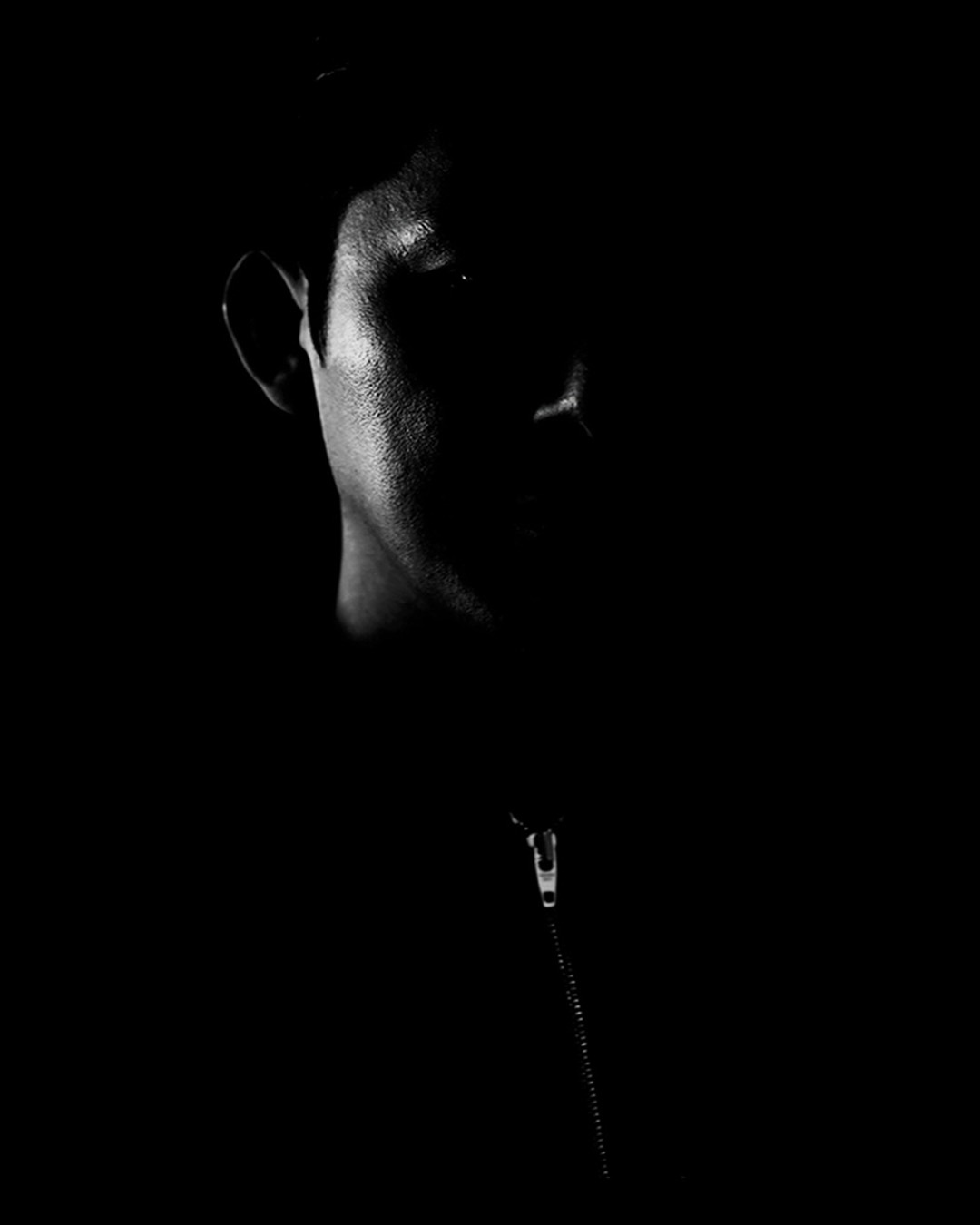
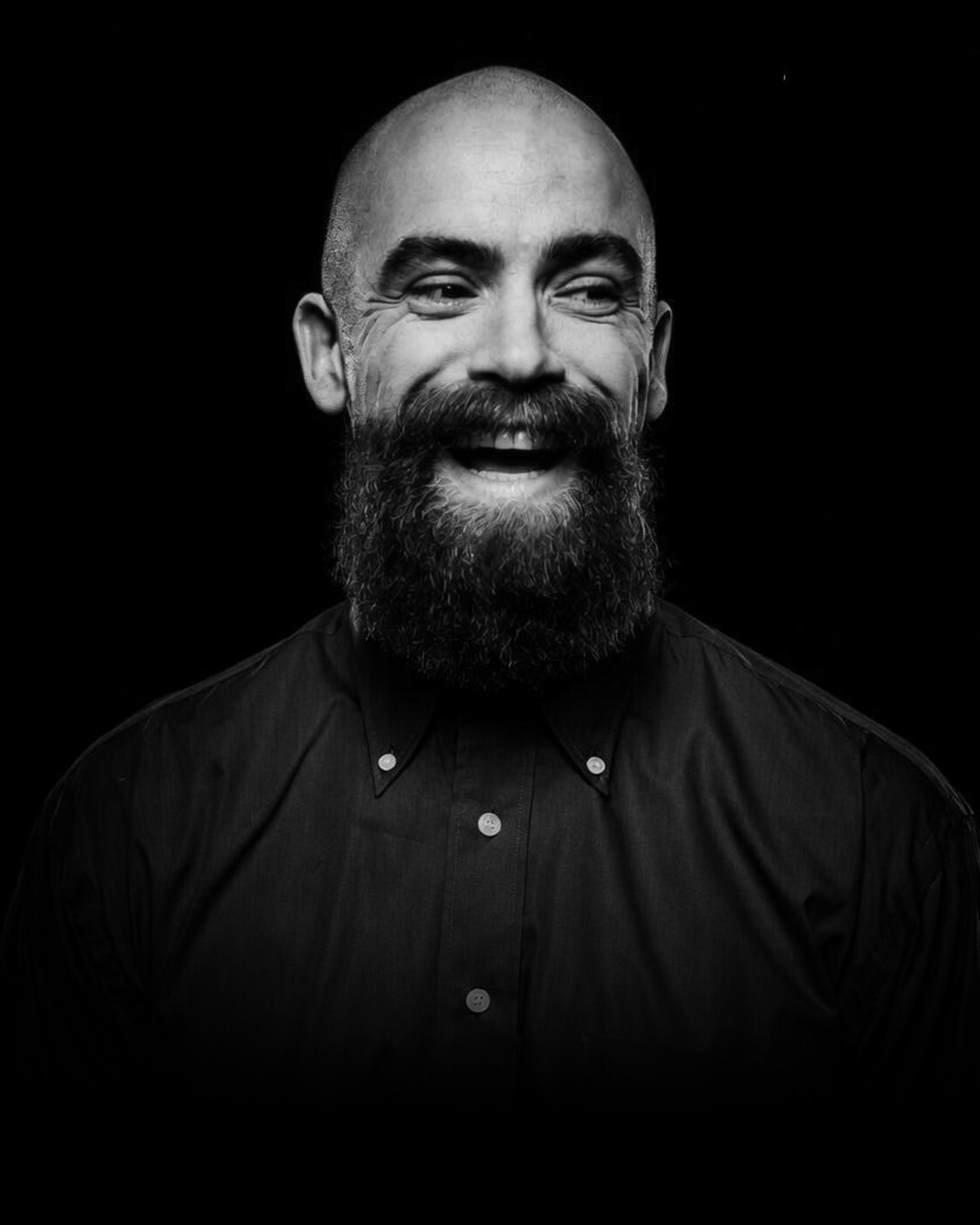
As we are always on the lookout for tracks that add depth to our DJ mixes, we came across James Harbrecht‘s music a while ago. We were immediately sold and played several of his tracks. Imagine how excited we were that he wanted to release on MEUK Records!
What intrigues us most about James Harbrecht’s sound are his rich atmospheres with lots of tension, which take the dance floor to a whole new level.
To find out more about the London-based DJ and producer James Harbrecht, we asked him a whole bunch of questions. This interview covers his musical roots, his take on the rebellious nature of techno, and the creative process behind his Chimes EP.
Before we get into your current sound — can you tell us how it all began?
Music was always playing in my house growing up, especially dance music, so it felt like a natural progression to get involved beyond just listening.
I started DJing when I was about 13, starting out with a pair of belt-drive turntables and a cheap two-channel mixer. Eventually, I upgraded to Technics when I had a bit more money, and now I’m on three CDJs. It’s never been a cheap interest! I mostly played jungle, garage, and other bass-heavy genres. Production came later, and I’ve been doing it seriously for about six or seven years now.
You’ve mentioned coming from bass-heavy genres like jungle and garage — what pulled you toward techno?
The garage, jungle and even grime I liked growing up was always raw and uncompromising. Techno drew me in because it had the same spirit but also allowed for more experimentation and creativity.
From a DJing perspective, I found techno to be far more interesting to mix and it has become a melting pot for my different tastes. I like being able to create layers of sound with three decks and mix in a more abstract way than if I were playing more conventional genres.
And what does techno mean to you on a deeper level?
Historically, techno has always been about pushing the boundaries of technology and sound design. This is something I try to adhere to with my own music. I really like the fact that techno challenges you not to play it safe.
Culturally, and from its inception, techno has always been an act of rebellion. I think this spirit also underpins the way I approach making and playing techno.
We love that you refer to the rebellious spirit of techno. Do you think it’s still present in today’s scene?
Techno has been around for decades now and achieved a massive level of popularity. I think under the circumstances it’s always going to be difficult to keep the original ethos alive over time.
There is plenty of music you hear labelled as techno that isn’t really that relevant to the genre at all. But this tends to happen in most genres — it’s all cyclical.
In any case, I do think there’s still plenty of great underground techno that maintains that rebellious nature and stays true to its roots while also being forward-thinking.
You mentioned the way you make and play techno. Can you elaborate on that?
Techno can be quite loopy, so I like to experiment with layering and evolving textures that maintain interest over time. As the low end is so important, I try to give my tracks the kind of weight that makes you feel the track as much as hear it.
Ultimately, I would describe my sound as raw and atmospheric with a clear groove that is unique to me. I’ll always leave the final judgment to the audience though, so give it a listen!
And how do you create that sound? Can you walk us through your workflow?
I work in Ableton and use a mix of hardware and software. This centres around my Dave Smith OB-6, Elektron Syntakt, and DFAM. The OB-6 is the one I use the most, mainly for leads and pads (the filter is incredible). The Syntakt works particularly well for stabs and drum sounds, and the DFAM is great for unpredictable, weirder sounds. I’ve had maybe another 4 synths over the years that I’ve ended up selling because they were either impractical or I got as much out of them as I could. The three I kept are versatile and enjoyable enough to play that I wouldn’t part with them.
There is no set thing that comes first when I’m making a track, sometimes it’s a drum pattern, sometimes a synth sound. I also like to record long sections of audio from my hardware and then chop them up inside Ableton to make something unique. I do use soft synths too, but I definitely lean on my hardware more. I try not to overthink it, I just go in and see what comes out on the day.
We’re just curious — what do you love more, DJing or producing?
That’s a really hard choice. Producing is more solitary with a completely different pace. The connection only comes when you eventually share the music. DJing is far more communal, it gives you a shared experience where you get to feed off the energy of the crowd in real time. I love them both in their own way. I’ll sit on the fence and say DJing to a crowd that reacts really well to your own productions!
Yes, let’s talk about sharing music. What made MEUK Records a good fit for your upcoming release?
irI’ve followed MEUK for a while and I really appreciate what they’ve created. The label is authentic and has its own clear identity. I’ve played quite a few of their previous releases and I really like the label’s aesthetic. I’m really happy to make my own contribution!
To wrap it up — any final thought about your upcoming EP?
I think the Chimes EP clearly displays where I’m at creatively. The tracks have a similarity to each other, but also enough difference that I can showcase the variety I have as a producer. I suppose Expedition is an appropriate track title in that sense. And, of course, Front Left is the optimum dancefloor position!
Dream EP
TRACKLIST
1. Chimes 2. Expedition 3. Front Left 4. As I Was Saying


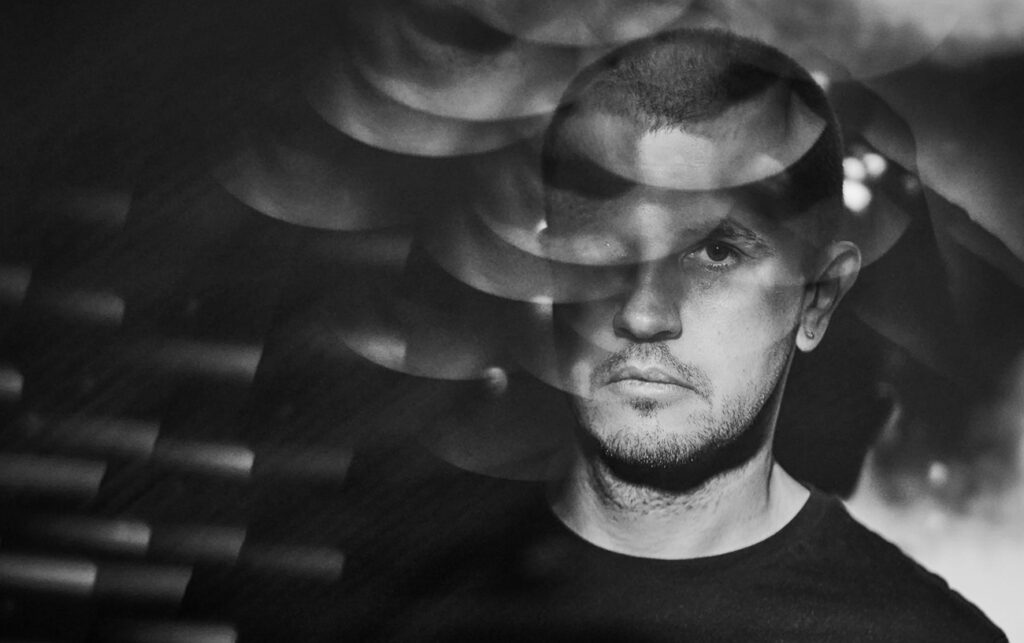
![Cover James Harbrecht - Chimes EP [MEUK014]](https://meukrecords.com/wp-content/uploads/2025/11/Cover-James-Harbrecht-Chimes-EP-MEUK014-scaled.jpg "Cover James Harbrecht – Chimes EP [MEUK014]")